

Comparing Types of Roll Off Containers
Selecting the proper equipment for waste management, construction, and debris disposal requires a clear understanding of the specialized tools available. Various logistical operations rely heavily on efficient material handling systems to maintain safety, control project costs, and comply with regional environmental standards. Choosing the right containment system can dramatically affect the workflow of a construction site, commercial property, or industrial facility. By evaluating the specific designs, functional capabilities, and structural advantages of different equipment options, project managers can optimize their waste disposal strategies and enhance general operational efficiency.
Utilizing Open-Top Systems for Maximum Accessibility
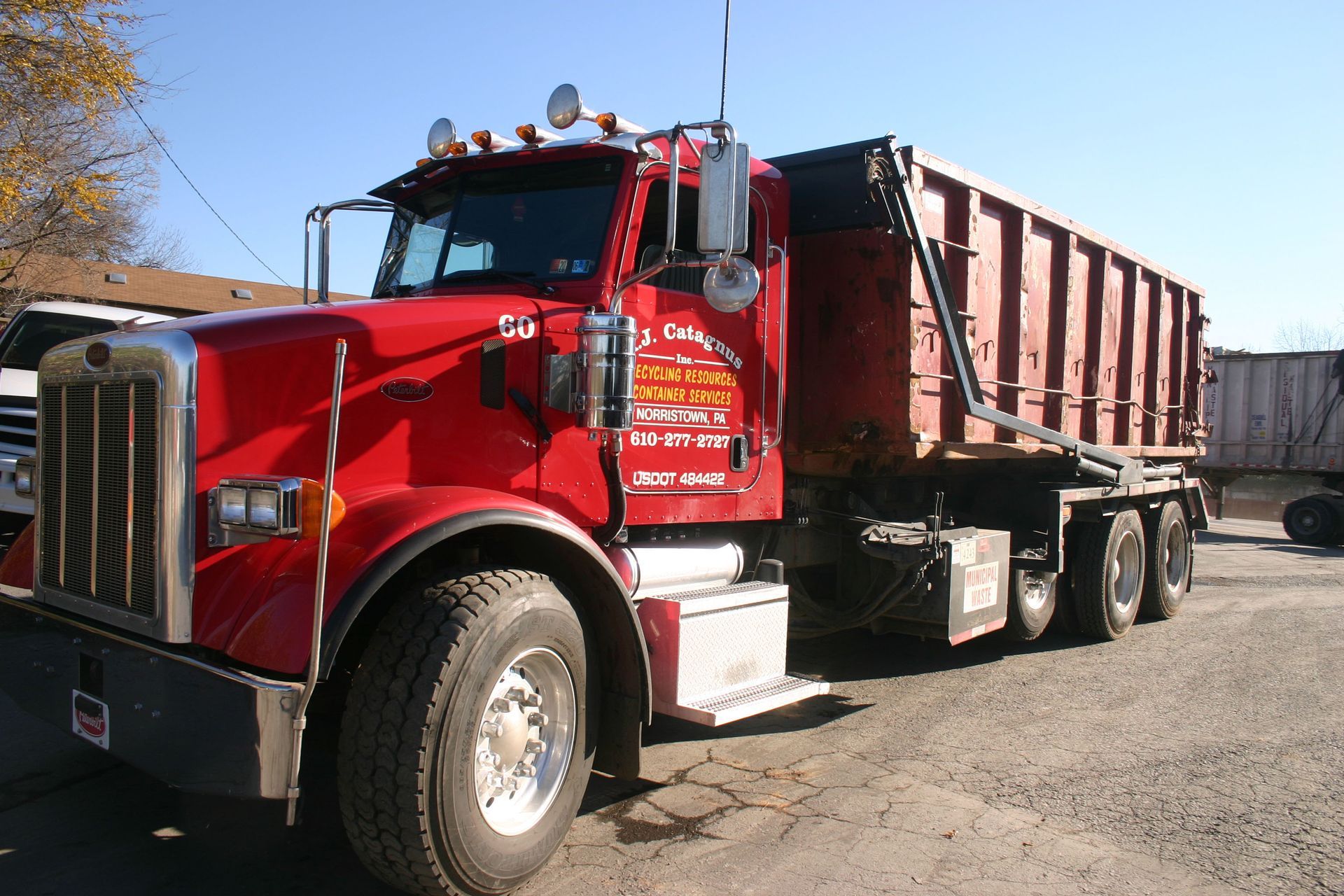
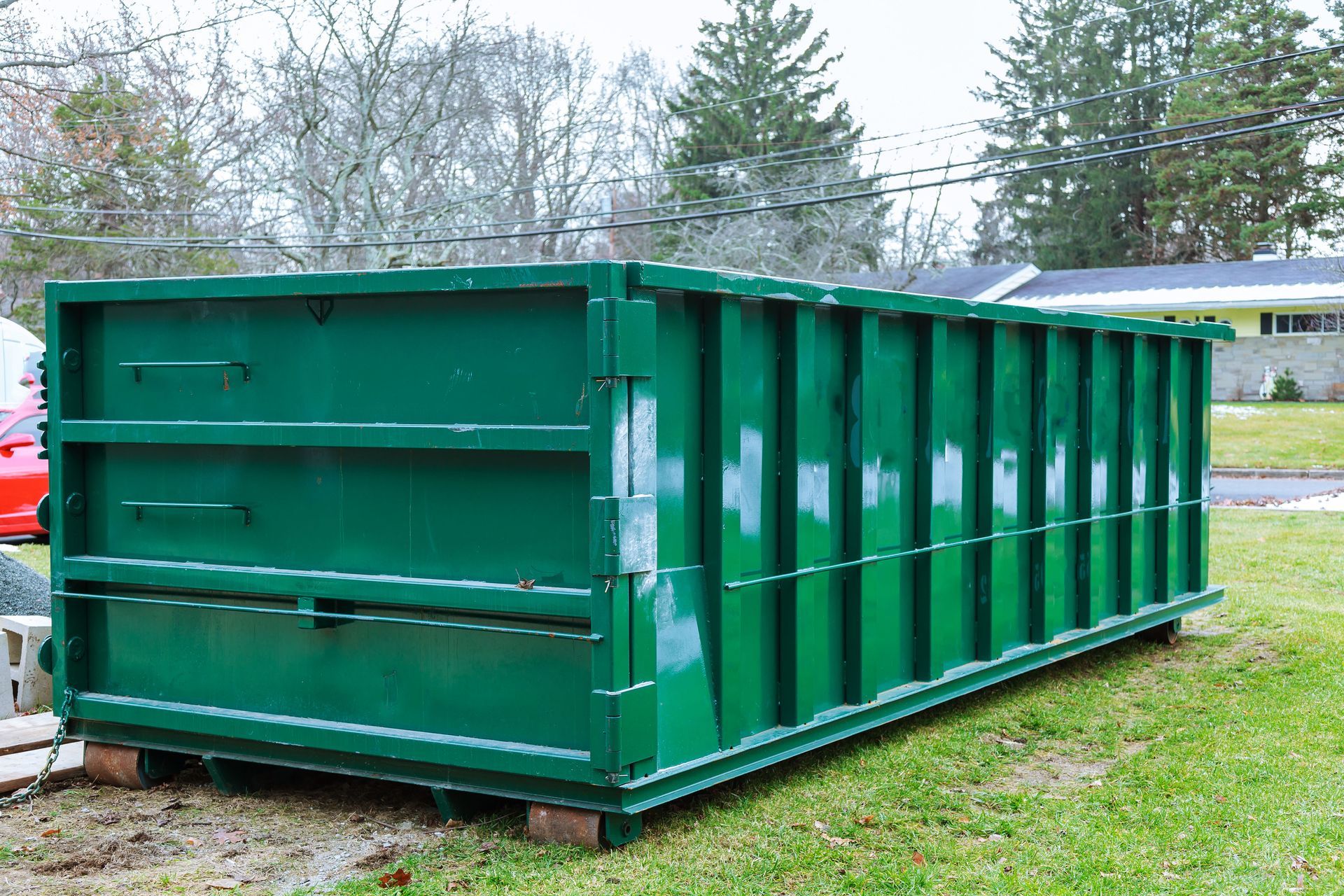
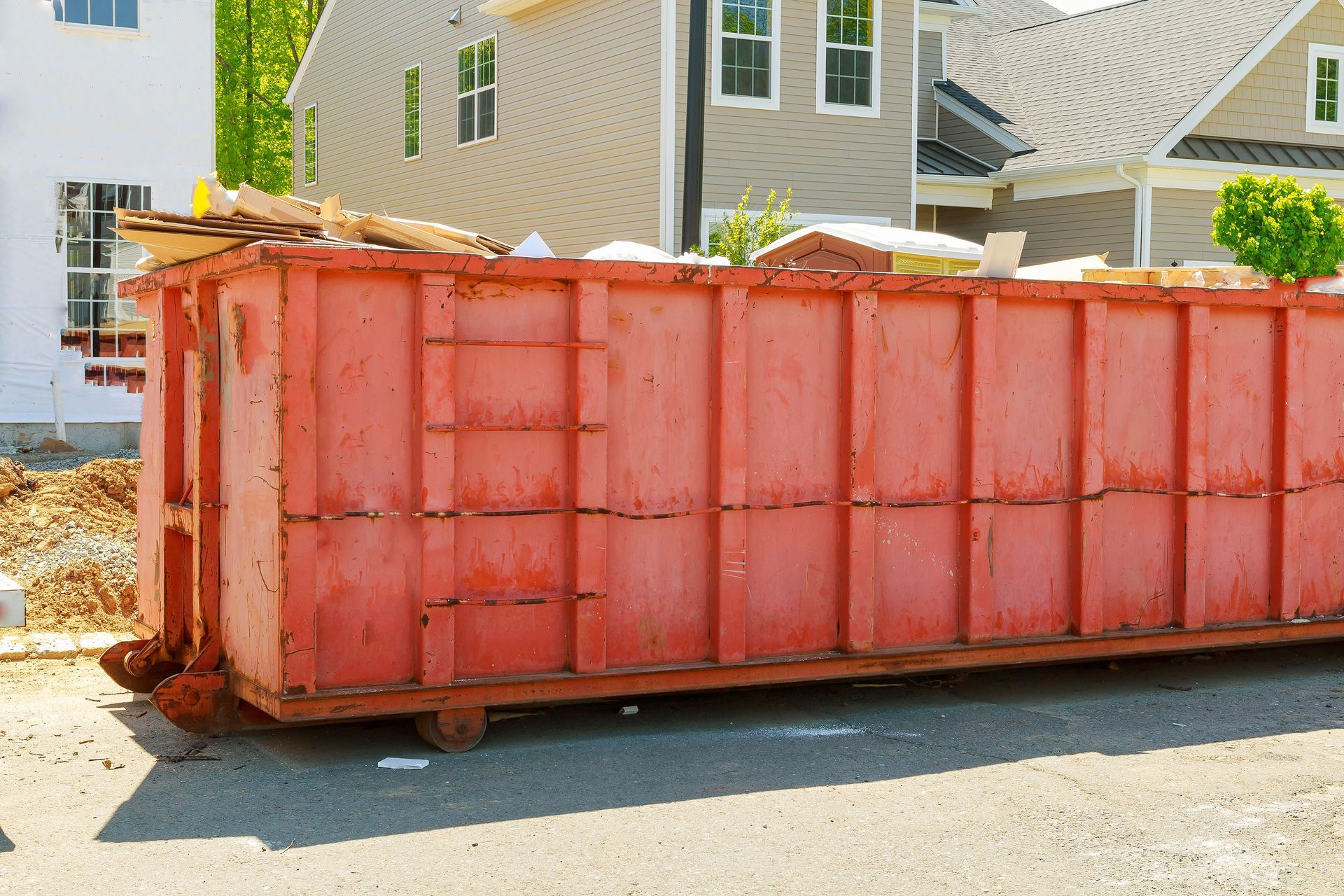
Open-top configurations represent the most widely recognized design in the waste disposal industry due to their completely lidless architecture. Constructed from high-grade structural steel and reinforced with heavy-duty side walls, these roll off containers are engineered to withstand the intense impact of heavy or abrasive debris. The rectangular footprint ensures maximum volumetric efficiency, enabling simple placement on jobsites while allowing easy entry from the top. These versatile structures function via a specialized hydraulic truck system that delivers empty units directly to a jobsite and retrieves them once they have reached maximum capacity.
These specific units are exceptionally well-suited for high-volume demolition, landscaping, and structural construction projects where workers must deposit large amounts of debris rapidly. Landscaping professionals frequently deploy them to manage heavy organic waste, clearing topsoil, tree branches, and root systems during major site preparations. Factoring in project size is critical for cost management, as these units come in diverse capacities to accommodate varying workloads. According to Step by Step Business, dumpster sizes range from 10 yards to 40 yards, allowing project managers to match the physical volume of waste with the appropriate vessel capacity.
The primary benefit of utilizing these open configurations is the unhindered loading flexibility they offer to operators. Heavy machinery, such as excavators, skid steers, and front-end loaders, can drop bulky materials directly over the side walls without encountering structural obstructions. However, the open design introduces vulnerability to weather elements, as rainwater accumulation can significantly increase the total weight of the load, potentially leading to overage fees during transport. Despite these weather-related limitations, the sheer speed and ease of loading make these open-top units a fundamental asset for large-scale industrial and residential cleanouts.
Securing Sensitive Waste with Closed Containment Units
Closed containment units feature integrated, heavy-duty lids designed to shield contents entirely from external environmental factors and unauthorized access. These specialized roll off containers are fabricated with robust locking mechanisms and reinforced seals to ensure that volatile, fine, or sensitive waste remains completely contained during storage and transit. The structural design emphasizes environmental safety, preventing external precipitation from entering the container while simultaneously mitigating the risk of leaks, spills, or windborne debris escaping onto public roadways. This makes them highly preferred in urban centers and strictly regulated commercial districts.
Industries dealing with strictly regulated materials, such as healthcare facilities, chemical processing plants, and food manufacturing centers, rely heavily on closed units to remain compliant with strict sanitary standards. In food processing, managing organic waste inside a sealed environment is critical for controlling intense odors and preventing the attraction of pests, rodents, and birds. Furthermore, these units provide excellent security against illegal dumping by third parties, ensuring that businesses only pay for the disposal of their own operational waste. The secure enclosure helps maintain a clean, professional appearance on-site, protecting corporate reputation in highly populated areas.
Optimizing Volume Efficiency through Mechanical Compaction
Compactor systems combine a robust storage vessel with a powerful hydraulic press mechanism designed to break down and compress loose waste materials. This integration allows the system to compress voluminous, compressible debris into a fraction of its original physical space, drastically increasing the density of each load. Built with heavy-gauge steel and reinforced frameworks, these advanced roll off containers are specifically engineered to withstand continuous internal pressures without structural deformation. They are frequently connected directly to a building's waste chute, creating a seamless, fully enclosed pathway from the point of waste generation to the disposal container.
Commercial enterprises that generate continuous streams of compressible waste, including large retail centers, supermarkets, logistics warehouses, and hospitality complexes, achieve massive efficiency gains by implementing compaction systems. Instead of managing multiple traditional containers that require frequent emptying, these organizations can consolidate massive volumes of cardboard, paper packaging, and general mixed waste into a single unit. This operational consolidation drastically reduces the frequency of transportation hauls, leading to substantial long-term savings on fuel surcharges, carbon emissions, and hauling labor costs. It also eliminates the safety hazards associated with overflowing outdoor dumpsters.
Implementing mechanical compaction requires a thorough evaluation of upfront capital expenditures against long-term operational savings. The sophisticated hydraulic pumps, electrical control panels, and safety sensors require higher initial investments and demand consistent preventive maintenance by trained technicians to guarantee safe operation. Certain material classes, such as solid concrete blocks, heavy structural steel beams, and hazardous liquids, are entirely incompatible with compaction mechanisms and can cause severe internal damage. Organizations must perform a detailed waste stream analysis to ensure their primary refuse materials are suitable for mechanical compression before deploying these advanced systems.
Managing Hazardous Materials with Specialized Vessels
Specialty containment vessels are custom-engineered to meet the rigorous physical and chemical demands of transporting hazardous, highly corrosive, or environmentally dangerous materials. Unlike standard utility units, these unique roll off containers are lined with chemical-resistant coatings, reinforced with extra-thick structural plating, and equipped with advanced filtration or drainage valves. The design parameters are strictly dictated by federal and regional environmental protection agencies, ensuring the unit can safely isolate volatile compounds, contaminated soils, and industrial chemical residues without risking structural degradation or catastrophic environmental leakage.
The petrochemical sector, environmental remediation firms, and heavy industrial manufacturing plants depend heavily on these specialty units to manage their hazardous outputs safely. For instance, when excavating contaminated industrial brownfields, crews require completely sealed, liquid-tight containers to transport saturated soil to specialized treatment facilities without leaching toxins into the local water table. These units are also engineered with specific grounding capabilities to mitigate the risk of static electricity igniting flammable vapor clouds during loading operations. This level of precise engineering ensures that corporations can execute high-risk material handling tasks while maintaining absolute legal compliance.
Handling High-Density Material via Low-Profile Designs
Low-profile containment units, commonly referred to as lowboys, feature uniquely short side walls coupled with a heavily reinforced floor structure designed specifically for high-density loads. Standard units can easily exceed legal road weight limits long before they are physically filled when loaded with dense materials like rock, concrete, and soil. These low-profile roll off containers solve this structural dilemma by restricting the overall physical volume while maximizing the weight-bearing capacity. The low center of gravity inherent in this design also significantly enhances vehicle stability during high-speed highway transit, reducing the risk of hazardous tipping incidents.
Construction crews, road paving contractors, and masonry specialists utilize low-profile units extensively during structural demolition and infrastructure rehabilitation. When tearing up old asphalt highways or excavating stone foundations, workers can easily load heavy fragments over the low side walls without needing high-clearance lifting machinery. This reduced loading height also lowers the physical strain on workers who must load materials manually, creating a much safer, more ergonomic work environment. The compact vertical dimensions also allow these units to be dropped in tight urban jobsites, under low clearance bridges, or inside industrial warehouses where standard containers cannot physically fit.
Establishing a partnership with an experienced waste management and excavation professional can streamline this selection process, providing access to specialized equipment tailored to unique project blueprints. Professional guidance helps navigate the complexities of weight restrictions, permit acquisitions, and specialized environmental compliance, allowing project managers to focus on core operational milestones. For more information about the services that we offer, reach out to our incredible team at Foley Excavation, LLC today!
Share On: